

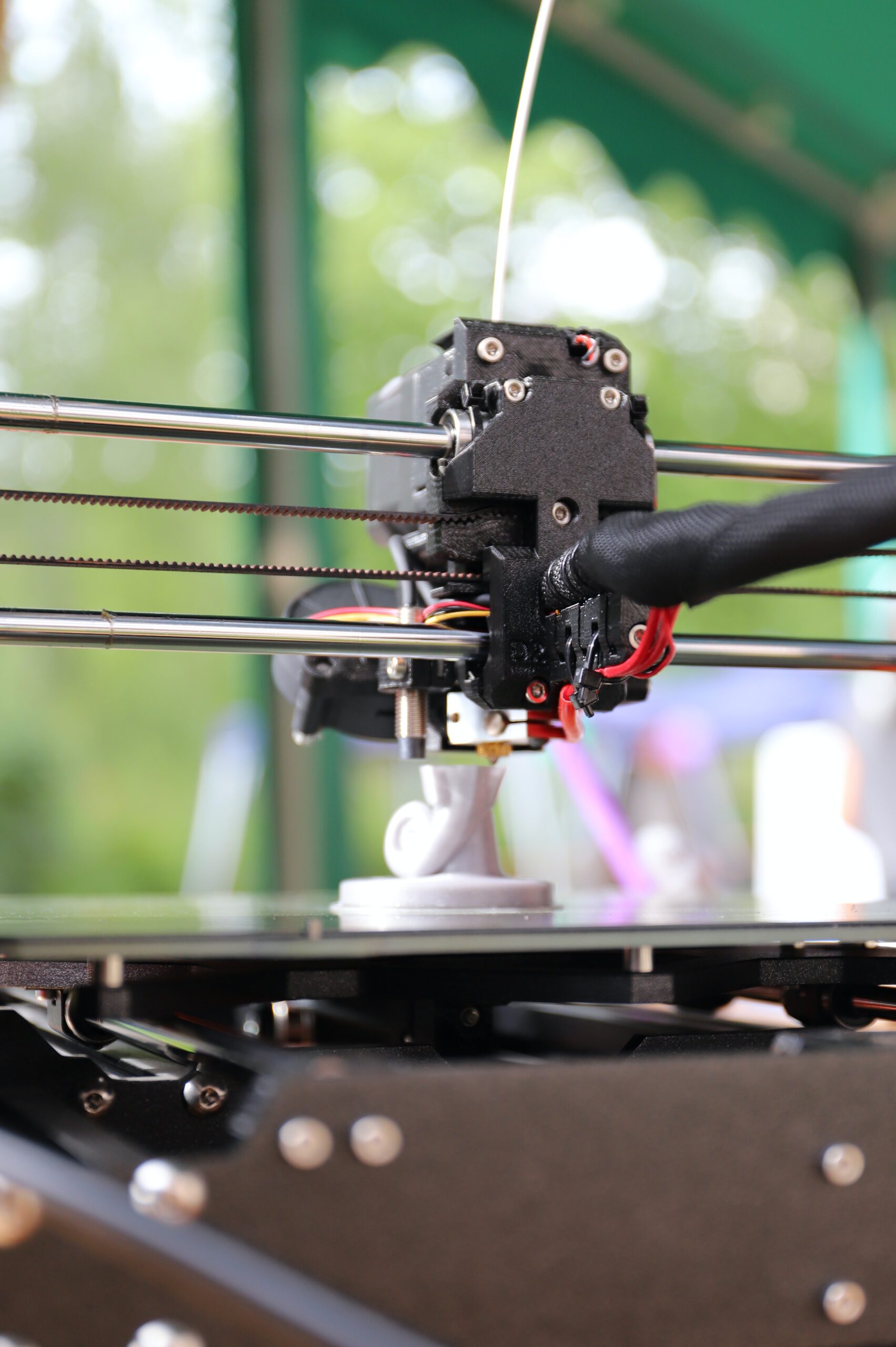
In recent years, 3D printing has emerged as a transformative technology, reshaping industries and revolutionizing the way we create and innovate. From rapid prototyping to manufacturing complex end-products, 3D printing offers a myriad of advantages that hold immense potential for businesses and individuals alike. This article delves into the remarkable benefits of this cutting-edge technology.
Unparalleled Design Freedom
3D printing unlocks unparalleled design freedom, enabling the creation of intricate shapes and geometries that were once deemed impossible with traditional manufacturing methods. This allows designers and engineers to bring their most creative visions to life, pushing the boundaries of innovation to new heights.
Accelerated Product Development
With 3D printing, the product development process is expedited significantly. Ideas can swiftly be transformed into tangible prototypes within a matter of days or even hours, drastically reducing the time-to-market. This agility empowers companies to respond swiftly to changing market demands and gain a competitive edge.
Cost Efficiency
Though the initial investment in 3D printing technology may seem substantial, the long-term cost savings are noteworthy. The elimination of expensive tooling and reduced material wastage translate to lower production costs per unit. Moreover, 3D printing facilitates on-demand manufacturing, reducing the need for excessive inventory and storage expenses.
Environmental Sustainability
3D printing aligns with sustainability efforts, as it promotes eco-friendly practices. By only using the precise amount of material required for each print, waste is minimized. Additionally, this technology enables the use of recycled materials, biodegradable plastics, and greener alternatives, making it a more environmentally responsible manufacturing solution.
Customization at Scale
One of the most compelling advantages of 3D printing is its ability to offer customization at scale. Mass-produced items can be tailored to meet individual preferences and unique requirements. This personalization fosters stronger customer relationships and can lead to higher customer satisfaction and brand loyalty.
Streamlined Supply Chain
Implementing 3D printing in the manufacturing process can streamline the supply chain by eliminating intermediaries and reducing transportation needs. This efficiency can significantly shorten lead times, ensuring that products reach consumers faster, a crucial factor in today’s fast-paced markets.
Conclusion
The advantages of 3D printing are undeniable, and its potential impact on various industries is limitless. From revolutionizing product development to promoting sustainable practices, this technology offers a glimpse into the future of manufacturing. Embracing 3D printing can empower businesses to innovate, reduce costs, and stay ahead of the curve in an increasingly competitive landscape. As we move forward, the continuous advancement of 3D printing will undoubtedly unlock even more exciting possibilities for us to explore.